Waterproof vs. Water-Resistant Flooring: Deciphering the Labels
“Waterproof” has become the ultimate buzzword in 2026. However, at O’Krent Floors, we believe in radical candor with our customers.
There is a significant technical difference between a floor that is “water-resistant” and one that is truly “waterproof.”
Understanding this distinction is the difference between a minor cleanup and a $10,000 restoration project.
What Types of Floors are Considered “Water-Resistant”
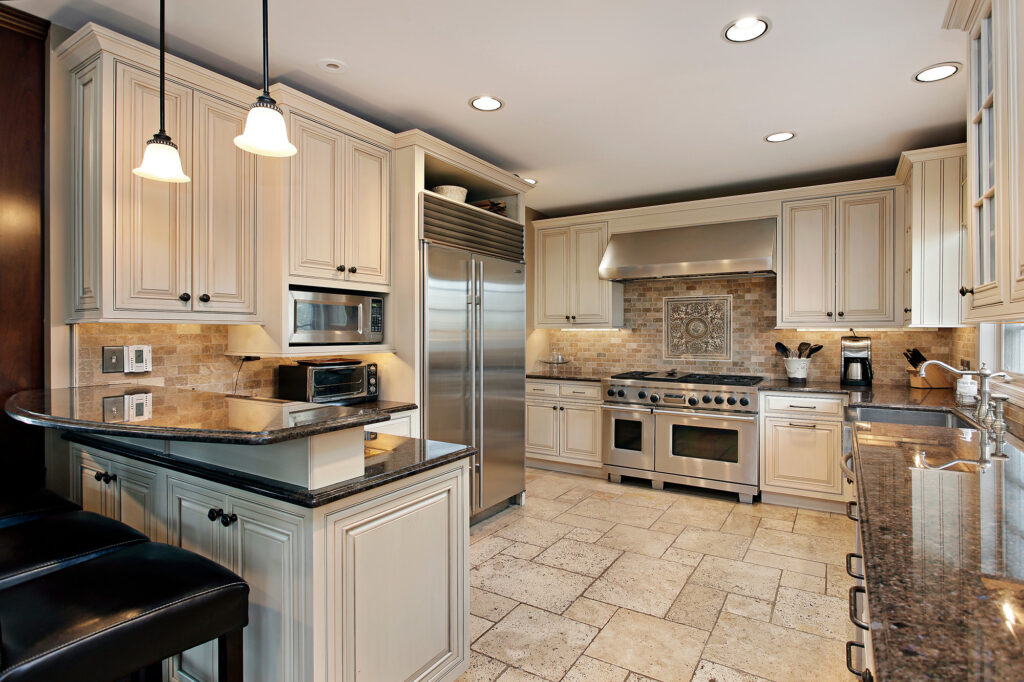
Most modern laminates and some engineered hardwoods are labeled as water-resistant. This typically means the surface is protected by a hydrophobic coating that prevents liquids from soaking into the wood fibers for a set period—usually 24 to 72 hours.
-
Where it works: Great for kitchens or living rooms where a spilled glass of wine or a pet accident might sit for an hour before being discovered.
-
The Risk: If water gets under the floor—say, from a leaking dishwasher or a sweating sliding glass door—the organic core will eventually absorb that moisture, leading to swelling and mold.
What Types of Floors are Considered “100% Waterproof”
True waterproof flooring, like Luxury Vinyl Plank (LVP) or Porcelain Tile, is made of non-organic materials.
-
The “Submerge” Test: A 100% waterproof plank could technically be submerged in a bucket of water for a week, wiped dry, and re-installed. The material itself is chemically incapable of absorbing water.
-
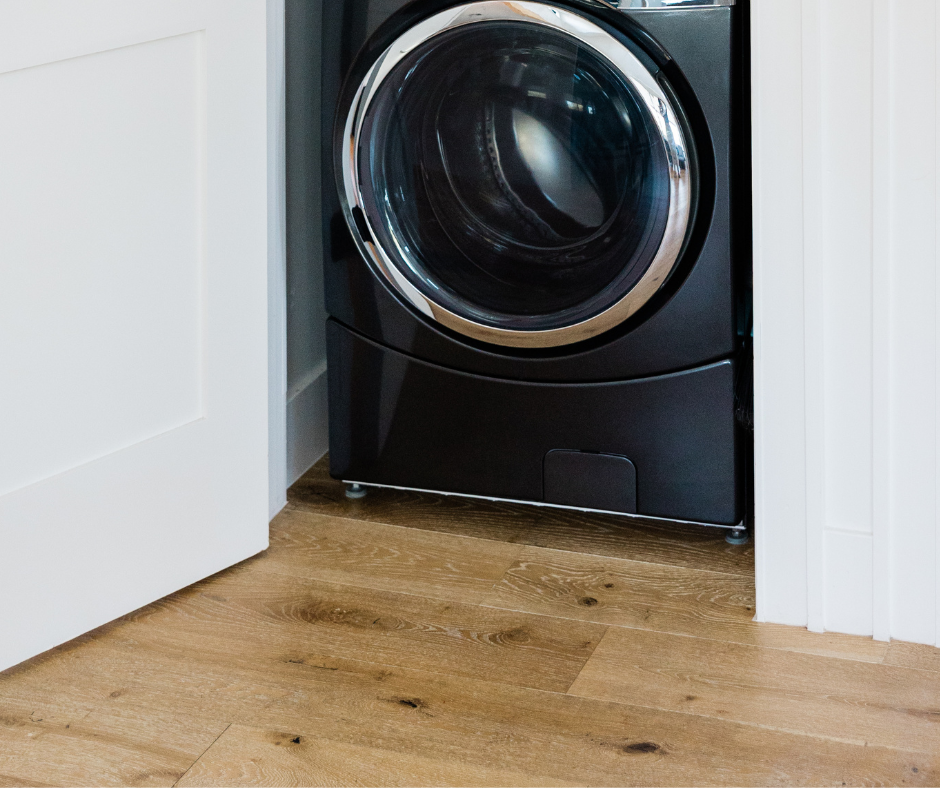
Where it works: These are mandatory for bathrooms, laundry rooms, and mudrooms. In Alamo Heights and Stone Oak, we are seeing homeowners install waterproof LVP throughout the entire first floor to protect against the rare but devastating plumbing fail.
Why San Antonio Humidity Matters to Your Home
In Bexar County, “water” isn’t just about spills; it’s about the air. Our humidity can reach staggering levels. When moisture is trapped in the air, it can condense on cold slabs. If you have a floor that isn’t breathable or waterproof, that condensation can sit against the bottom of your planks. O’Krent experts help you choose the right underlayment and moisture barriers to ensure that your “waterproof” floor isn’t just protecting you from the top down, but also from the slab up.
Conclusion: If you have a high-traffic home with “splash-prone” residents (kids and dogs), 100% waterproof is your safest bet. If you want the authentic warmth of wood in a low-moisture area, a high-end water-resistant laminate like Mohawk RevWood is an incredible choice.
Visit our showroom at 2075 N Loop 1604 East to see the difference for yourself.